| The character: | Cal Hockley |
| The actor: | Billy Zane |
| The movie: | Titanic (1997) |
There are four villainous characters (or at least four who are actively against the idea of Jack and Rose) in Titanic. When I think of each one, here’s the look that comes to mind:
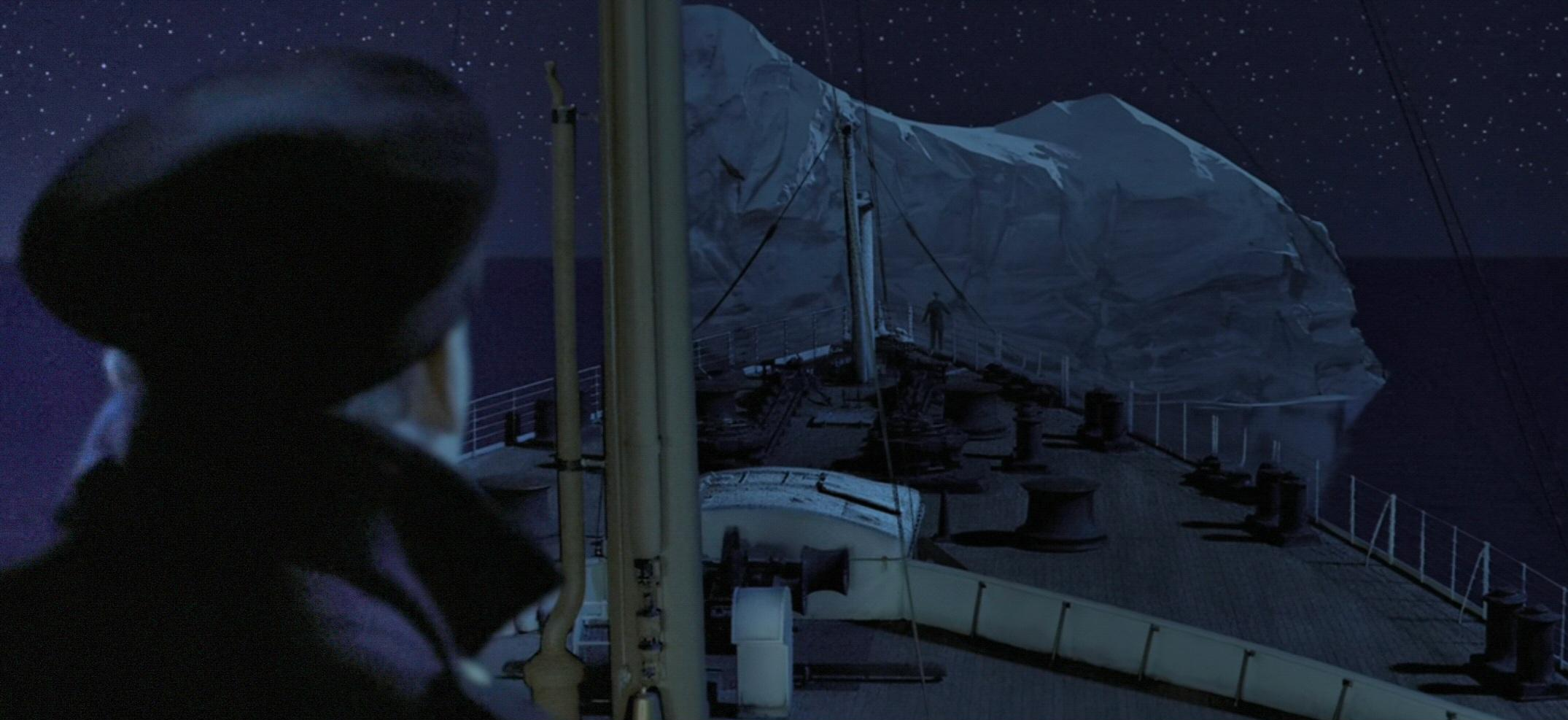
eat it DiCaprio
Haha, I kid. Anyway, here’s Frances Fisher as Rose’s mother, Ruth, saying that thing about shouldn’t the lifeboats be separated by class.
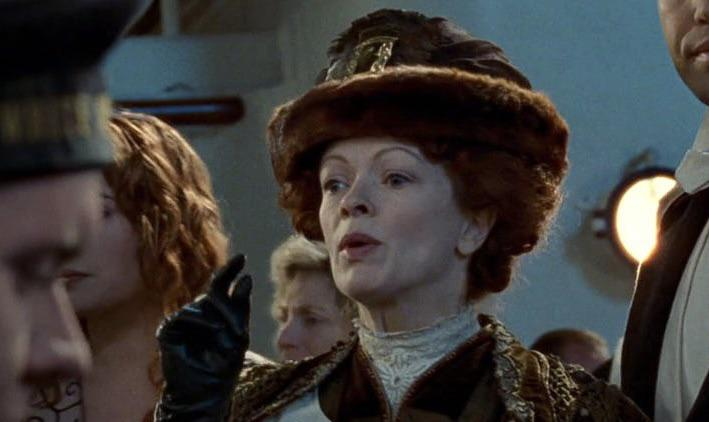
Sometimes I think that line is a little much, but there are two reasons that it basically rings true to me. First, it’s been established that the Bukater women are upheld by their name but not by their money, not anymore. The debts threaten to swallow the surname, and so Ruth has to remind people that she (and Rose) belong in first class. The second reason, of course, is that I have existed since covid.
Here’s another villain: David Warner’s Lovejoy.
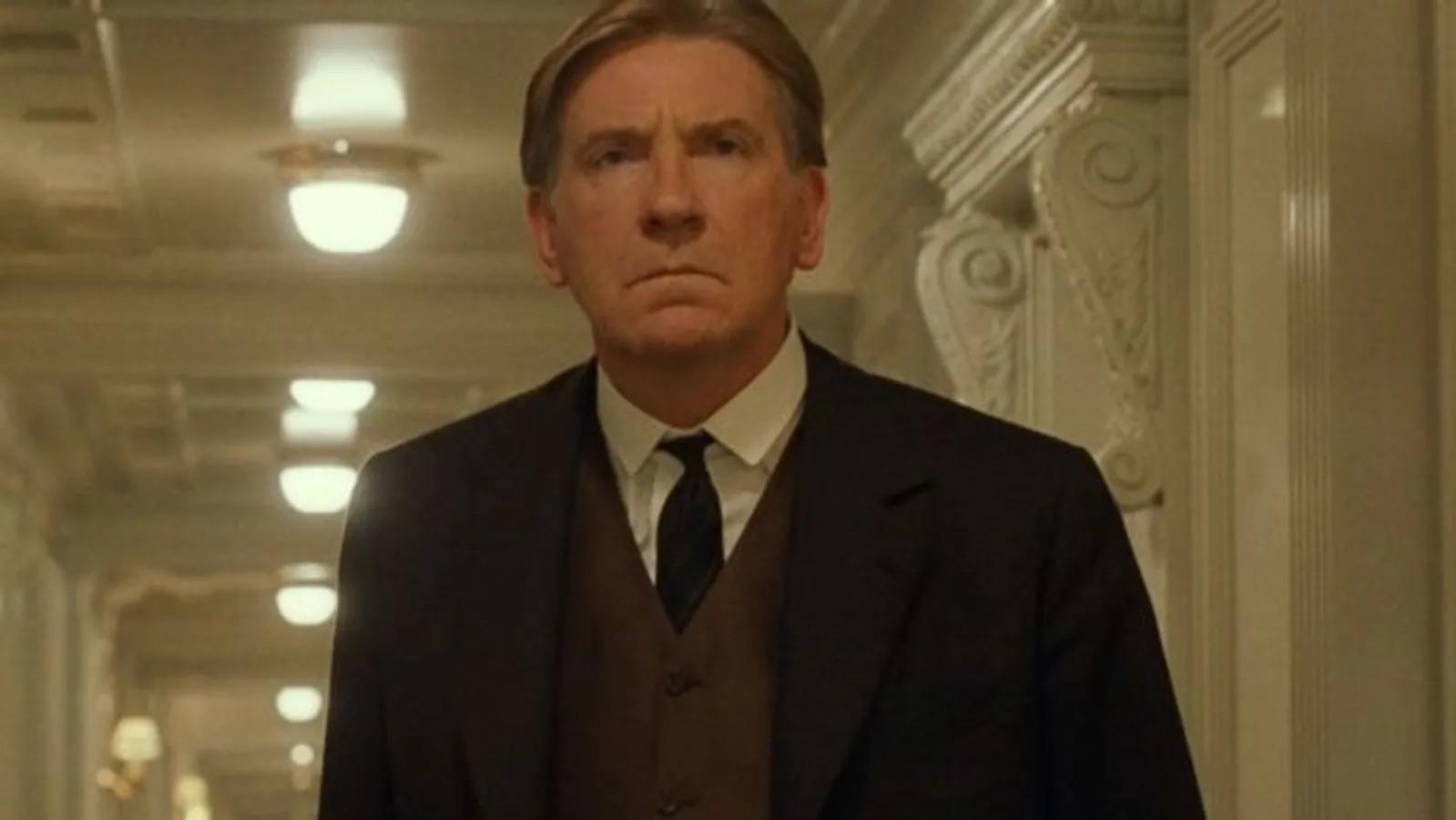
This image is basically tied with a similar one, except in that other he’s looming over a banister, looking down. I like this one because it reminds me of some of the money shots of Anton Chigurh in No Country for Old Men, a performance which is not so dissimilar. Like Chigurh, the money matters to Lovejoy, but you have to know that when a man is running around a sinking ocean liner trying to shoot a guy in his early twenties when there aren’t enough lifeboats anyway, we’re looking at a guy who just really loves what he does. Look at that grin.
Next up is the much-maligned, and probably, as far as real-life goes, the unfairly maligned J. Bruce Ismay.
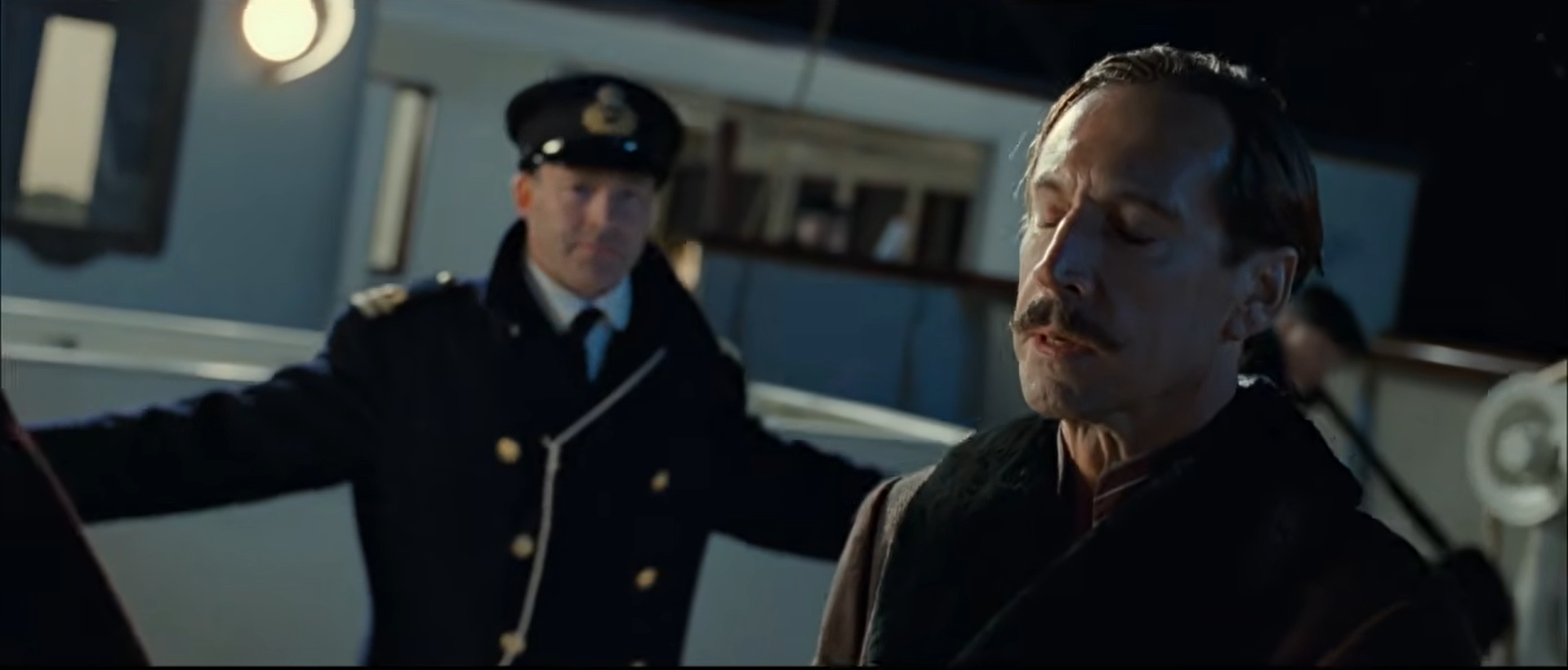
It’s this exact moment that has shaken me from my first viewing. I love Jonathan Hyde’s interpretation here, the tight muscles in the neck, the eyes closed, the mouth slightly open. Look at the relief on that man’s face, knowing that he’s going to make it off this doomed ship, but the regret is there too, the regret that his crowning achievement is going to the bottom of the Atlantic in mere minutes. The Ismay of Titanic, like the Ismay of virtually every Titanic story committed to media since the Nazis got there in the ’40s, is hugely guilty. He wants the ship to go faster, over the objections of a diffident Captain Smith, and because the ship is going too fast it is unable to swerve out of the path of the iceberg.
go do a movie in Thailand next, you big baby, is it warm enough for you there
There’s not all that much evidence to suggest that Ismay pressured Smith that way. And as the ship was sinking, Ismay was reported much more reliably to have put as many people in lifeboats as he could before getting in the last one near him. The story of the Ismay who couldn’t own up to the deaths he caused is a product of contemporary media more than it is real fact, and what the yellow press printed back then has echoed into eternity, making millions of people angry that a man who had an opportunity to live didn’t take the opportunity to die. Thus Hyde’s Ismay, whose face recalls a bossy and ill-tempered schnauzer, and whose mien does nothing to make us pity him.
Nothing compares to Cal Hockley, though, a man of many vices. He intimidates Rose at that spilled breakfast, slaps her across the face later on, takes potshots at Jack and Rose both at the flooding staircase. That scene where we are introduced to him is a masterstroke on Zane’s part. There’s something off about the guy right from the beginning, even though Rose’s disdain for her “slave ship” (yee) strikes us wrong as well. “You can be blase about some things, Rose, but not about Titanic!” he says. “It’s over a hundred feet longer than the Mauritania,” and then the kicker, the smug look, the statement of what really matters, “and far more luxurious.” Whether or not it’s fair that we at home judge Cal’s materialism at the sight of Titanic, we people who can be impressed with a sufficiently expensive Vrbo or Acura, is worth discussing at some other time. But in this moment, you just know he’s a jerk.
A jerk or a bully is one thing. A bully who is a weasel is infuriating, though. At one moment, the swagger of the man who knows that he can do something even better than beat up anyone he wants: he can pay a guy to beat up anyone for him. And then, not much later, he’s a birthday boy with glasses. It’s the worst!
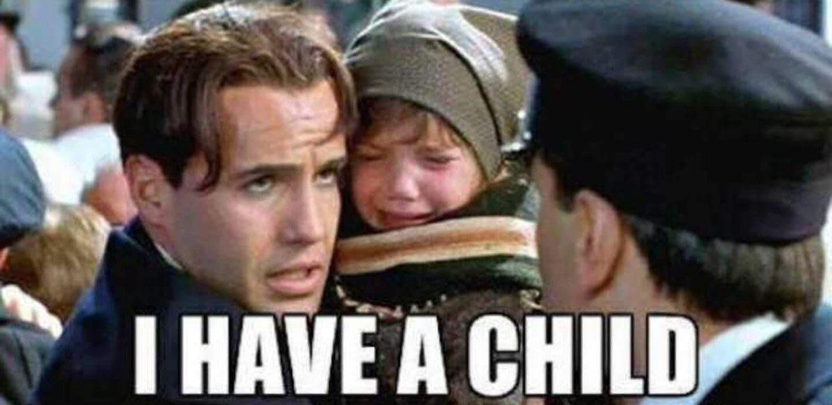
Rose’s comment about the “slave ship” in the beginning has some ring of truth to it even if it makes absolutely no sense concerning her. On the slave ship, what matters more than cash money is the value of the human body, calculated by someone who has no right to valuate it. Cal’s deal falls through when Murdoch realizes that dead men don’t take dollar bills with them to Hell. Thus Cal must find a different way to pay his way onto a lifeboat, and look at his face while he does it.


[…] Cal Hockley (Billy Zane) – […]